
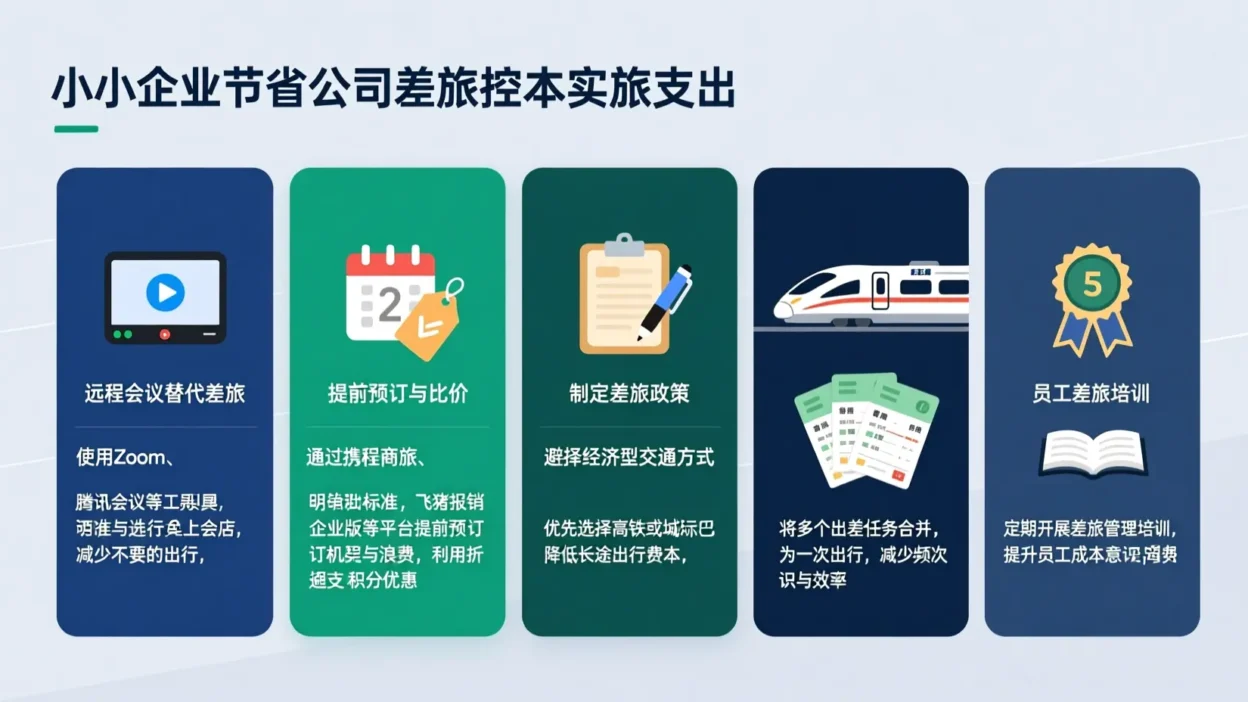
Corporate travel is important for many small businesses. Meetings, conferences, and client visits help companies grow and build strong relationships. However, travel costs can quickly become expensive. Flights, hotels, meals, and transport can put pressure on a small business budget. Learning smart ways to manage these costs is essential. This article explains 8 best ways small businesses can save money on corporate travel without reducing quality or comfort.
1. Plan Trips Early
Planning travel early is one of the easiest ways to save money.
Booking flights and hotels in advance often gives access to lower prices. Last-minute bookings usually cost more.
Early planning also gives time to compare options and choose the best deals. This helps businesses avoid rushed and expensive decisions.
A simple travel calendar can help plan trips ahead of time.
2. Create a Clear Travel Policy
A clear travel policy helps control spending.
This policy should explain:
- Allowed travel classes
- Hotel price limits
- Daily meal budgets
- Approval steps
When employees know the rules, they make smarter choices. This avoids unnecessary spending.
A travel policy also ensures fairness and consistency across the company.
3. Use Budget-Friendly Airlines and Hotels
Small businesses can save money by choosing budget options.
Low-cost airlines often offer cheaper tickets for short trips. Basic hotels provide comfort at a lower cost.
Luxury is not always necessary for business travel. Clean, safe, and convenient options are often enough.
Comparing prices before booking helps find the best value.
4. Be Flexible With Travel Dates
Flexibility can lead to big savings.
Flying on weekdays is often cheaper than weekends. Early morning or late-night flights also cost less.
Hotels may offer lower prices during less busy days.
When possible, allowing flexible travel dates helps reduce overall costs.
5. Book Flights and Hotels Together
Many travel platforms offer discounts when flights and hotels are booked together.
Package deals can save both time and money.
Booking everything in one place also makes planning easier and more organized.
This approach reduces stress and simplifies expense tracking.
6. Encourage Virtual Meetings When Possible
Not every meeting needs travel.
Video calls and online meetings can replace many in-person meetings.
Virtual meetings save money on flights, hotels, and meals.
They also save time and reduce employee travel fatigue.
Using virtual meetings wisely helps control travel expenses.
7. Track and Review Travel Expenses
Tracking travel expenses helps identify saving opportunities.
Businesses should review travel costs regularly.
This shows where money is being spent and where cuts can be made.
Simple expense tracking tools or spreadsheets can help monitor spending.
Regular reviews lead to smarter travel decisions.
8. Reward Smart Travel Choices
Encouraging employees to save money is important.
Reward employees who choose budget-friendly options.
This can include recognition, small rewards, or appreciation messages.
When employees feel valued for saving money, they make better choices.
This creates a cost-saving culture within the company.
Additional Tips for Saving on Corporate Travel
Small changes can lead to big savings.
Booking non-refundable tickets when plans are fixed can be cheaper.
Using public transport instead of taxis saves money.
Choosing hotels with free breakfast reduces meal costs.
These small habits add up over time.
The Importance of Comfort and Productivity
Saving money does not mean sacrificing comfort.
Employees need rest to perform well.
Balanced choices ensure travelers stay comfortable and productive.
A tired employee may cost more in lost productivity than savings gained.
Smart travel planning balances cost and comfort.
How Technology Helps Save Money
Technology makes travel planning easier.
Travel apps help compare prices quickly.
Expense tracking tools simplify reporting.
Calendar reminders help avoid last-minute bookings.
Using technology improves organization and cost control.
Building a Long-Term Travel Strategy
Corporate travel savings work best with long-term planning.
Review travel needs yearly.
Adjust policies based on business growth.
Learn from past trips to improve future planning.
A long-term strategy helps control travel expenses consistently.
Common Travel Mistakes to Avoid
Some common mistakes increase travel costs.
Booking late is one of the biggest mistakes.
Ignoring travel policies leads to overspending.
Not reviewing expenses hides saving opportunities.
Avoiding these mistakes helps manage costs better.
How Saving on Travel Helps Business Growth
Saving money on travel allows businesses to invest elsewhere.
Funds can support marketing, training, or product development.
Smart spending improves financial health.
Efficient travel management supports sustainable business growth.
Conclusion
Corporate travel is necessary, but it does not have to be expensive. By planning early, creating clear policies, choosing budget options, and using technology, small businesses can control travel costs. These 8 best ways small businesses can save money on corporate travel help reduce expenses while keeping employees comfortable and productive. With smart planning and simple habits, businesses can travel efficiently and focus on growth without overspending.