You’ve probably seen people on TikTok, Reddit, or Twitter (X) using the term “blue collar”, and if you weren’t familiar with it, it might’ve caused a little moment of “wait… what does that mean?”
I remember the first time I came across it in a workplace-related meme and had no clue if it was an insult, a job title, or something positive. Spoiler: it wasn’t slang at all — but it is one of those terms everyone uses casually online.
If you’ve been wondering too, here’s the quick answer:
Quick Answer: Blue collar means manual labor or skilled trade work. It’s a straightforward and neutral way of describing jobs that involve hands-on, physical work.
What Does Blue Collar Mean in Text?
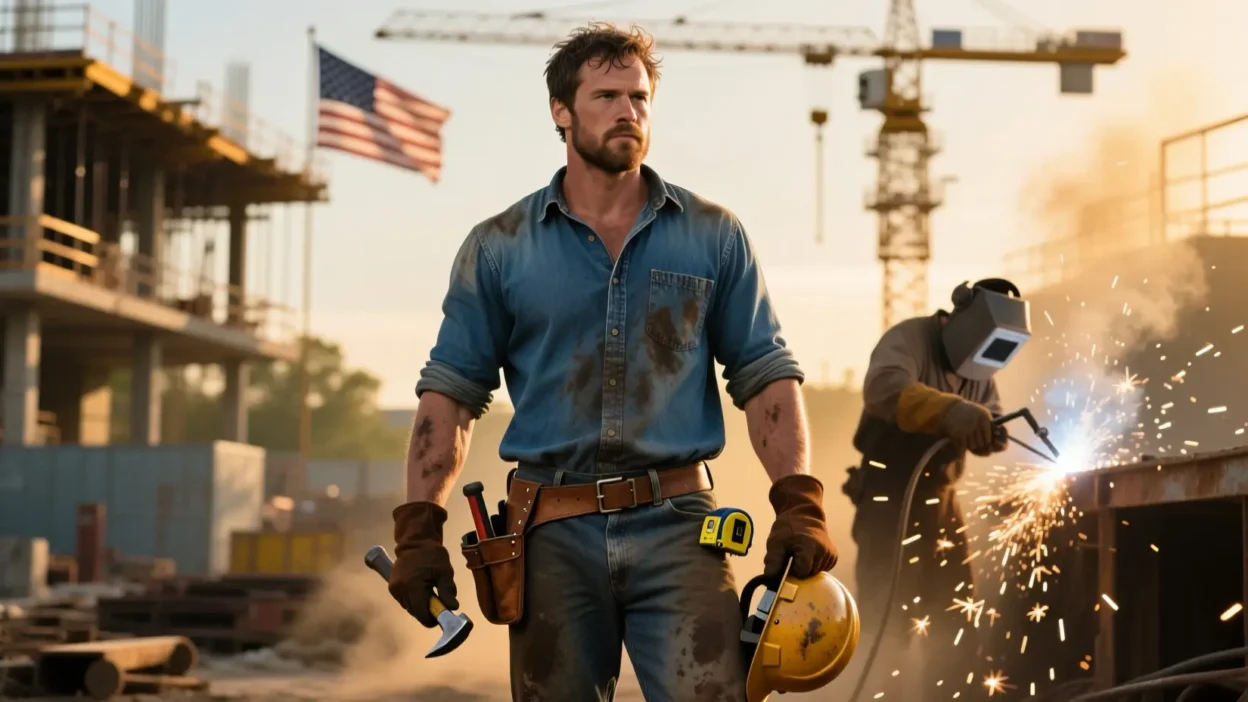
Blue collar refers to workers who perform manual, hands-on, or skilled trade jobs, such as construction, mechanics, plumbing, manufacturing, electrical work, and similar fields. People use it in texting and social media to describe job types, lifestyles, or mindsets associated with working-class or trade-based professions.
Example sentence:
“His dad has a blue collar job—he works as an electrician.”
In short: Blue collar = Manual labor jobs = Trades-based, hands-on work.
Where Is “Blue Collar” Commonly Used?
You’ll see the term everywhere, but especially in:
- TikTok (career videos, lifestyle content) 🎥
- Reddit (work discussions, trades subreddits)
- Workplace chats 💼
- Twitter/X (economic or lifestyle tweets)
- Everyday texting 📱
- News discussions (job market or labor topics)
Tone:
Blue collar is neutral, meaning it’s not rude or flirty — it’s simply descriptive. But depending on tone/context, it can feel respectful, proud, or even humorous.
It is not slang, but it is common in social-media language.
Examples of “Blue Collar” in Conversation
Here are realistic texting-style examples:
1.
A: what does ur brother do?
B: he’s in a blue collar job, he’s a welder 🔧
2.
A: u dating someone?
B: yeah he’s super hardworking, total blue collar guy lol
3.
A: ur fit today looks kinda blue collar ngl
B: 😂 steel-toe boots go hard
4.
A: is ur job office or blue collar?
B: def blue collar. i’m in construction
5.
A: u tired?
B: bro i did 10 hrs of blue collar work today 😭
6.
A: respect to blue collar folks, y’all work fr
B: facts 🙏
7.
A: thinking about switching careers
B: trades are good man, blue collar pays well now too
When to Use and When Not to Use “Blue Collar”
✅ When to Use
- When describing trade jobs or manual work
- When talking about someone’s profession
- When discussing economy, careers, or job market
- When referring to a lifestyle or work ethic (non-insulting)
- When used in neutral or positive context
❌ When Not to Use
- When referring to someone’s job in a judgmental or insulting way
- In formal situations like resumes or corporate emails
- When you don’t know someone’s job and could sound stereotyping
- When the context is personal or sensitive
Comparison Table
| Context | Example Phrase | Why It Works |
| Friend Chat | “He’s in a blue collar job, he’s a mechanic.” | Casual explanation |
| Work Chat | “Our team collaborates with blue collar technicians.” | Neutral & professional |
| “Our project involves coordination with skilled trade professionals.” | Formal & respectful |
Similar Slang Words or Alternatives
| Term/Slang | Meaning | When to Use |
| White collar | Office or administrative jobs | Talking about corporate or desk jobs |
| Skilled trades | Jobs requiring hands-on expertise (electrician, plumber, etc.) | When you want a respectful/neutral alternative |
| Working class | People who do hands-on or labor-based jobs | Social discussions or lifestyle contexts |
| Manual labor | Physical or hands-on work | When describing job type clearly |
| Blue collar worker | Person who performs trade or manual work | Job descriptions or casual conversation |
| Labor worker | Someone involved in physical labor | General conversation (neutral) |
FAQs
1. Is “blue collar” slang?
No — it’s an official term describing manual or trade-based jobs.
2. Is it offensive to call someone blue collar?
Not inherently. It’s neutral. It only becomes rude if used negatively.
3. What’s the opposite of blue collar?
White collar, meaning office-based or professional jobs.
4. Can you use blue collar on social media?
Yes! It’s widely used on TikTok, Reddit, Twitter, and memes.
5. Does blue collar mean low-paying?
Not at all. Many trades (electricians, welders, plumbers) earn very high incomes.
6. Why is it called “blue collar”?
Historically, manual workers wore durable blue shirts, so the term stuck.
7. Is a technician blue collar?
Yes — most hands-on technical jobs fall under blue collar.