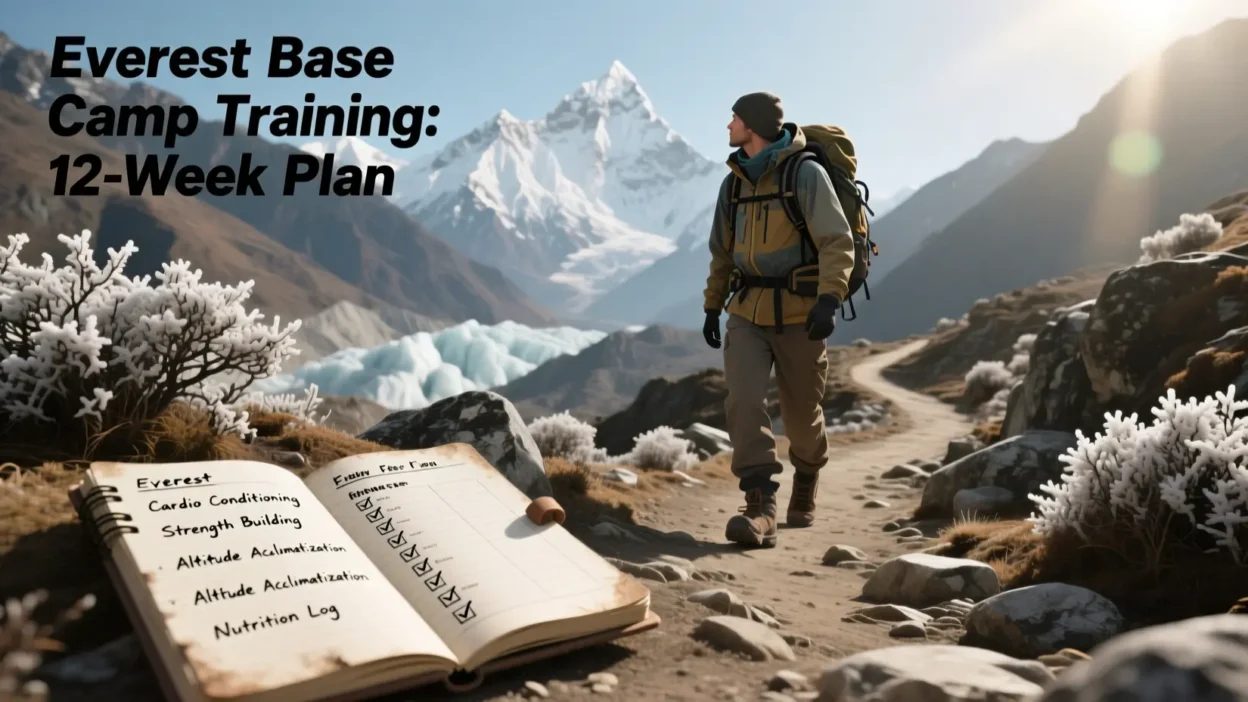
The Everest Base Camp trek is a dream adventure for many people. Walking through mountains, small villages, and beautiful landscapes feels exciting and meaningful. However, this trek is not easy. It takes many days, long walking hours, and steady effort. You do not need to be an athlete, but you do need proper training. Learning how to train for the Everest Base Camp trek helps you stay strong, avoid injury, and enjoy the journey. This article explains a simple fitness plan to prepare for success.
Why Training Is Important for Everest Base Camp
The Everest Base Camp trek is long and challenging. You will walk for several hours every day on uneven paths.
Training helps your body get used to long walks and uphill climbs. It also improves breathing and balance.
Without training, the trek can feel very tiring and stressful. With training, you feel more confident and enjoy the experience.
Good preparation makes the trek safer and more enjoyable.
Understanding the Trek’s Physical Demands
The trek does not require climbing skills, but it does require endurance.
You will walk on rocky trails, climb hills, and descend steep paths. Some days are longer than others.
The air becomes thinner at higher altitudes. This makes breathing harder.
Your fitness plan should focus on stamina, leg strength, and overall body strength.
Start Training Early
It is best to start training at least three to four months before the trek.
Starting early gives your body time to improve slowly. This reduces the risk of injury.
Short and regular workouts are better than long and sudden ones.
Consistency is the key to success.
Walking and Hiking Practice
Walking is the most important part of training.
Start with short walks and slowly increase distance and time. Walk at least four to five days a week.
Include hills if possible. Walking uphill prepares your legs for mountain trails.
Weekend hikes with a backpack are very helpful. This helps your body adjust to carrying weight.
Building Leg Strength
Strong legs make walking easier and reduce fatigue.
Simple exercises like squats, lunges, and step-ups are very useful.
Climbing stairs is a great way to build leg strength. You can do this at home or in a gym.
Strong legs help you walk longer without feeling exhausted.
Improving Heart and Lung Fitness
Good heart and lung fitness helps you handle long walking days.
Activities like brisk walking, cycling, or jogging improve stamina.
Try to do cardio exercises three to four times a week.
Keep a steady pace. You should feel active but not overly tired.
Strength Training for the Whole Body
Your whole body works during the trek, not just your legs.
Simple strength exercises help build balance and support.
Focus on your core, back, and shoulders. These muscles help with posture and carrying a backpack.
Planks, light weights, and bodyweight exercises work well.
Practice Walking With a Backpack
During the trek, you will carry a daypack.
Practice walking with a backpack during training. Start with light weight and slowly increase.
This helps your shoulders and back get used to the load.
It also improves balance and comfort on long walks.
Flexibility and Stretching
Stretching keeps your muscles flexible and healthy.
Stretch after every workout. Focus on legs, hips, and back.
Gentle stretching reduces muscle stiffness and soreness.
Yoga or light stretching sessions can improve flexibility and relaxation.
Rest and Recovery Are Important
Rest days are part of training.
Your body needs time to recover and grow stronger.
Take one or two rest days each week.
Good sleep also supports recovery and energy levels.
Training for Mental Strength
Mental strength is just as important as physical fitness.
Long days and changing weather can feel challenging.
Training helps build patience and confidence.
Positive thinking and steady effort help you stay motivated during the trek.
Eating for Training Success
Good nutrition supports your training.
Eat balanced meals with fruits, vegetables, grains, and protein.
Drink enough water, especially during workouts.
Healthy eating gives your body the fuel it needs to improve fitness.
Practice Slow and Steady Pace
The Everest Base Camp trek is not a race.
Training teaches you to walk at a slow and steady pace.
This helps save energy and improves breathing.
Learning to move steadily prepares you for high-altitude walking.
Listening to Your Body
Pay attention to how your body feels during training.
Mild soreness is normal, but pain is not.
Rest if you feel discomfort or injury signs.
Safe training keeps you healthy and confident.
Simulating Trek Conditions
Try to train in conditions similar to the trek.
Walk on uneven paths, dirt trails, or hills.
Practice walking for several hours with breaks.
This prepares your body and mind for real trekking days.
Staying Motivated During Training
Training for Everest Base Camp is a long journey.
Set small goals to stay motivated.
Track your progress and celebrate improvements.
Remember why you started. This keeps you focused and positive.
Final Weeks Before the Trek
In the last few weeks, reduce intense training.
Focus on light walks, stretching, and rest.
Avoid trying new exercises close to departure.
Let your body feel strong and refreshed before the trek.
Conclusion
Training is the key to a successful Everest Base Camp trek. Knowing how to train for the Everest Base Camp trek helps you build strength, stamina, and confidence. Regular walking, strength exercises, cardio workouts, and rest prepare your body for long trekking days. Mental preparation and steady pacing are equally important. With a simple and consistent fitness plan, you can enjoy the journey, stay healthy, and achieve your goal of reaching Everest Base Camp with confidence and success.