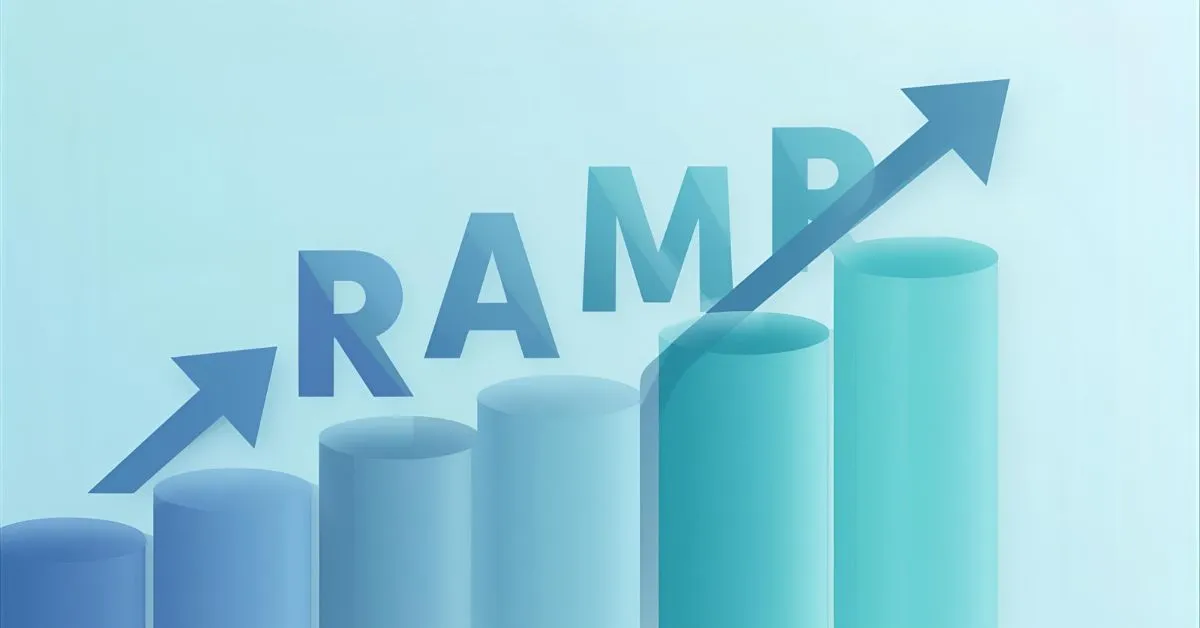
The word “ramp” normally refers to something that helps you rise, lift, or move upward gradually. In communication, motivation, business, engineering, aviation, and productivity, the ramp acronym is often used to represent growth, progress, scaling, preparation, or step-by-step development.
Because different industries interpret “RAMP” differently, writers, students, trainers, and content creators often look for powerful acronym alternatives that communicate improvement, uplift, or structured progress with clarity and precision.
In this article, you’ll find 30 creative RAMP acronym alternatives, each with:
- Meaning
- Example sentence
- When to use
Let’s dive in.
30 Creative Alternatives to the RAMP Acronym
These acronyms reflect themes of progress, improvement, momentum, or structured action — perfect for business, education, lifestyle, and content creation.
1. RISE – Rapid Improvement & Strategic Execution
Example: “Our team used RISE to optimize our workflow this quarter.”
When to Use: Strategic planning, business growth, performance improvement.
2. GROW – Gradual Rise of Workflows
Example: “The GROW model helped us build consistency.”
When to Use: Personal development, coaching, self-help content.
3. STEP – Systematic Transition & Elevation Process
Example: “Use the STEP method to break large goals into phases.”
When to Use: Tutorials, guides, skill development.
4. MOVE – Momentum-Oriented Value Expansion
Example: “We need the MOVE framework to push this project ahead.”
When to Use: Productivity, corporate planning, workflow improvement.
5. LIFT – Level Increase & Focused Transformation
Example: “LIFT is perfect for coaching clients through transitions.”
When to Use: Motivational content, personal branding.
6. SCALE – Strategic Change And Level Expansion
Example: “Startups use SCALE to structure their growth.”
When to Use: Entrepreneurship, business scaling.
7. PUSH – Progressive Upgrade & Stepwise Handling
Example: “Let’s PUSH this product through the next development stages.”
When to Use: Project development, iterative tasks.
8. CLIMB – Continuous Level Improvement & Managed Boost
Example: “CLIMB gives a clear roadmap for mastering skills.”
When to Use: Education, online courses, self-growth.
9. FLOW – Framework for Leveling Objectives Wisely
Example: “We stay in FLOW when managing multiple tasks.”
When to Use: Productivity content, creative work, mental clarity.
10. RAMPX – Rapid Advancement & Measured Progress Experience
Example: “Use RAMPX to track daily habits.”
When to Use: Journaling, habit building, self-improvement.
11. PATH – Progressive Action Toward Height
Example: “Every brand must set a PATH for expansion.”
When to Use: Company vision, roadmap clarity.
12. LANE – Level Advancement Navigation Engine
Example: “LANE helped us simplify the onboarding process.”
When to Use: Processes, work systems, HR onboarding.
13. RAISE – Realignment And Incremental Skill Enhancement
Example: “Our department uses the RAISE model to train new hires.”
When to Use: Skill training, workshops.
14. BOOST – Building Organized Operational Step Transitions
Example: “BOOST your small business strategy with this model.”
When to Use: Small-business or marketing content.
15. PROPEL – Progressive Rise Of Performance & Efficiency Levels
Example: “PROPEL helped us refine our production quality.”
When to Use: Corporate growth, operational improvement.
16. ELEV – Enhanced Level Evolution Value
Example: “Use ELEV to map your career ascent.”
When to Use: Career development, coaching.
17. RAMP-Pro – Rapid Advancement & Momentum Program
Example: “RAMP-Pro works well for fitness progress tracking.”
When to Use: Fitness, lifestyle, personal routines.
18. SHIFT – Strategic Habit Improvement Framework Tracking
Example: “SHIFT your daily routine using this simple method.”
When to Use: Habit change & mindset content.
19. UPWARD – Upgraded Pathway With Action-Ready Development
Example: “The UPWARD model is great for long-term projects.”
When to Use: Academic or professional development.
20. SPARK – Stepwise Progress And Result Kickstart
Example: “SPARK your creative journey with daily practice.”
When to Use: Creative industries, beginners, motivational content.
21. AMP – Advancement Momentum Plan
Example: “The AMP method keeps teams energized.”
When to Use: Short sprints, work cycles, productivity coaching.
22. RAMP-Lite – Rise & Manage Progress Light System
Example: “RAMP-Lite helps beginners stay consistent.”
When to Use: Simplified teaching models.
23. TRACK – Targeted Rise And Consistent Knowledge
Example: “TRACK your skill progress weekly.”
When to Use: Students, learners, course creators.
24. PRIME – Progressively Rising Improvement Method Engine
Example: “We used PRIME for our brand upgrade.”
When to Use: Marketing, branding, strategic change.
25. LEVEL – Linear Evolution Via Empowered Learning
Example: “LEVEL framework is perfect for structured learning.”
When to Use: Education, online training systems.
26. GAIN – Growth Advancement & Incremental Navigation
Example: “Use the GAIN roadmap to grow month after month.”
When to Use: Personal finance, self-improvement.
27. PROGRESS – Planned Rise Of Goals, Results, Effort & Structured Steps
Example: “The PROGRESS model is great for long-term goals.”
When to Use: Vision planning, goal setting.
28. PUSH-UP – Progressive Upgrade Strategy for Higher Performance
Example: “A perfect PUSH-UP strategy boosted our sales.”
When to Use: Sales, performance, operations.
29. RAMP-Step – Rise And Measured Progress Step System
Example: “RAMP-Step is perfect for project-based learning.”
When to Use: Project management, academic worksheets.
30. EVOLVE – Enhanced Value Optimization & Level Elevation
Example: “EVOLVE your systems every quarter.”
When to Use: Business reviews, lifestyle upgrades.
How to Choose the Best RAMP Acronym
For Professional or Business Contexts
Use: RISE, SCALE, PROPEL, PRIME, EVOLVE, TRACK
These sound formal, strategic, and structured.
For Personal Growth Content
Use: LIFT, STEP, FLOW, MOVE, SHIFT
Gentle, friendly, and motivational.
For Productivity or Workflow Systems
Use: MOVE, AMP, BOOST, PATH, LANE
Clear and adaptable.
For Education & Skill Training
Use: LEVEL, RAISE, CLIMB, TRACK
Simple and instructional.
For Creative or Lifestyle Writing
Use: SPARK, GROW, FLOW, TFW-style soft options
Relaxed and imaginative.
Conclusion
The ramp acronym is a powerful concept when you want to communicate upward movement, structured growth, or progressive transformation. These 30 alternative acronyms give you flexible, intuitive ways to express improvement across business, personal development, productivity, fitness, education, and creative work.
Choose strong-toned acronyms like PROPEL or SCALE for professional contexts, softer ones like FLOW or LIFT for personal content, and structured ones like TRACK or LEVEL for training and teaching.
With the right acronym, your writing becomes clearer, stronger, and far more engaging.
✅ FAQ Section
1. What does RAMP stand for?
RAMP can have several interpretations depending on the field, such as Risk Assessment and Management Plan, Rapid Advancement and Measured Progress, or Resource Allocation and Management Process.
2. Why use RAMP acronym alternatives?
Alternative acronyms help writers express growth, improvement, and step-by-step progress with clarity. They also allow better tone matching for business, coaching, productivity, and educational content.
3. Are the RAMP acronym alternatives official?
No. These are creative and practical expansions designed for writing, teaching, planning, and motivational content—not strict industry standards.
4. Can I use these acronyms for business or presentations?
Absolutely. Many alternatives like RISE, SCALE, PROPEL, and PRIME sound professional and work perfectly for business planning or strategy presentations.
5. Which acronym is best for personal development?
Soft, motivational acronyms like LIFT, MOVE, STEP, and GAIN work best for lifestyle, coaching, and habit-building content.
6. Which acronym is best for productivity systems?
Acronyms such as TRACK, AMP, BOOST, and FLOW help simplify workflows and are ideal for productivity frameworks.
7. How do I choose the right RAMP acronym alternative?
Choose based on tone:
- Professional: SCALE, PROPEL, PRIME
- Motivational: LIFT, STEP, CLIMB
- Productivity: MOVE, AMP, BOOST
- Educational: TRACK, LEVEL, RAISE